You've dreamed about it for years. You can already picture yourself taking the controls of a plane and looking down at the turquoise waters surrounding Nassau. That dream is closer than you think. Whether you're a resident of the Bahamas or considering flight training Bahamas as your path to the skies, here's exactly what to expect from your first lesson to that unforgettable first solo flight. Ready for Caribbean Air Academy to guide you there? Call us at (470) 309-4091.
How Do I Choose the Right Flight School?
Start by visiting schools near Nassau and asking about their aircraft fleet, instructor experience, and training schedule. Caribbean Air Academy trains students under FAA Part 61 regulations right here in the Bahamas, which means you'll fly in the same airspace where you'll eventually build your hours. Check their safety record, ask current students about their experience, and confirm they can accommodate your schedule.
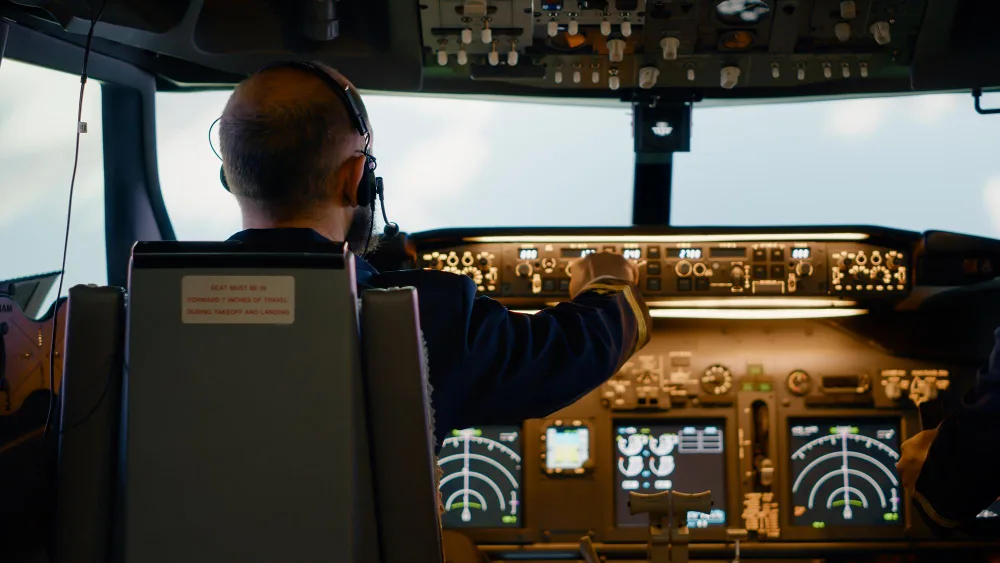
Look for a school that offers a discovery flight—a one-hour introductory session where you'll actually take the controls with an instructor beside you. This isn't just a tour. You'll handle the yoke, feel how the plane responds, and get a real sense of what flying involves. Most students know within 20 minutes whether this is the right path for them.
What Happens During My First 10-20 Hours?
Your first lessons focus on the fundamentals. You'll learn how to control the aircraft during straight-and-level flight, climbs, descents, and turns. Your instructor will demonstrate each maneuver first, then you'll practice while they monitor your progress. Expect to spend considerable time on takeoffs and landings—these require the most precision and you'll practice them repeatedly.
Ground school runs alongside your flight lessons. You'll study aerodynamics, weather patterns (hurricanes and tropical storms are critical knowledge here in the Bahamas), navigation, and FAA regulations. Most students log 15-20 hours before they're ready to fly the traffic pattern consistently.
Do I Need Special Certificates Before Solo?
Yes, two certificates are required. First, you'll need an FAA medical certificate from an Aviation Medical Examiner. The basic third-class medical certificate costs around $150 and requires good vision (correctable to 20/40), decent hearing, and no disqualifying medical conditions. Most healthy adults pass without issues.
Second, you'll apply for a student pilot course certificate through the FAA. Your instructor will help you complete the online application, which is processed within a few weeks. You can't solo without both documents in hand, so get them early in your training.
What Are the Pre-Solo Milestones?
Before your instructor clears you to solo, you'll demonstrate consistent proficiency in several areas. Your landings must be smooth and on target—no bouncing or drifting off centerline. You'll practice normal landings, crosswind landings (common when the breeze comes off the water), and go-arounds (when you abort a landing and circle back).
Radio communication becomes second nature after dozens of flights. You'll practice calling Nassau Tower, requesting clearances, and reading back instructions accurately. The controllers here know you're training and they'll work with you, but clear communication keeps everyone safe.
Emergency procedures round out your pre-solo training. What happens if the engine quits? Where will you land? Your instructor will simulate emergencies until your responses become automatic. You'll also practice steep turns, slow flight, and stalls—not because these are fun (though some students find them thrilling), but because understanding how the plane behaves at its limits makes you a safer pilot.
What's the First Solo Flight Actually Like?
The day arrives when your instructor says those magic words: "I think you're ready." They'll step out of the plane after a few practice landings, leaving you alone in the cockpit for the first time. Your heart will pound as you taxi to the runway, but your training kicks in.
You'll complete three takeoffs and landings in the traffic pattern. The plane feels lighter without your instructor's weight—it climbs faster and responds more quickly. Most students say the first landing is nerve-wracking, the second one is better, and by the third, they're grinning from ear to ear. When you taxi back and shut down the engine, you've officially soloed.
There's a tradition in aviation called the "shirttail cutting ceremony." Your instructor snips off part of your shirt (wear an old one) and writes the date, aircraft number, and their signature on it. That piece of fabric becomes a trophy you'll treasure forever.
What Comes After Solo?
Solo flight opens the door to cross-country training. You'll plan longer flights to airports beyond your home field, calculate fuel requirements, file flight plans, and navigate by landmarks and instruments. These skills prepare you for real-world flying where you're responsible for every decision.
Students typically log 50-60 hours total flight time before they're ready for the FAA checkride—the final test to earn your private pilot certificate. About 40 hours is the minimum, but most students need extra practice to meet the proficiency standards. Training in the Bahamas through flight training Bahamas programs gives you diverse experience flying over water, handling variable tropical weather, and operating from different airports.
The checkride includes an oral exam where you discuss flight planning, regulations, and aircraft systems with an FAA examiner. Then you'll demonstrate your flying skills on a practical test that lasts 2-3 hours. Pass both portions and you'll walk away with a private pilot certificate—your ticket to fly almost anywhere.
How Much Does Flight Training Cost?
Budget $8,000-$12,000 for your complete private pilot training from first lesson to checkride. This includes aircraft rental (around $150-$180 per hour for a single-engine trainer), instructor fees ($50-$60 per hour), ground school materials, examiner fees, and your medical certificate. Costs vary based on how quickly you learn and how frequently you fly. Students who fly 2-3 times per week typically finish faster and spend less overall because they retain skills better.
Flight training Bahamas programs sometimes offer package deals that reduce the hourly rate when you prepay for blocks of flight time. Ask about financing options if you can't pay the full amount upfront—many schools work with lenders who specialize in aviation training.
Is Flight Training Right for Me?
If you've read this far, you're probably serious about learning to fly. The journey from your first lesson to your first solo takes 3-6 months for most students, depending on your schedule and weather conditions. Flying in the Bahamas means dealing with afternoon thunderstorms during summer, but it also means breathtaking views of islands, reefs, and open ocean that landlocked students will never experience.
Your path to that solo flight starts with one phone call. Caribbean Air Academy has guided hundreds of students through this exact journey, from nervous first-timers to confident pilots. We'll answer your questions, explain the process step by step, and schedule your discovery flight.
Call (470) 309-4091 today and start your aviation career. Your first solo flight is waiting—let's make it happen.