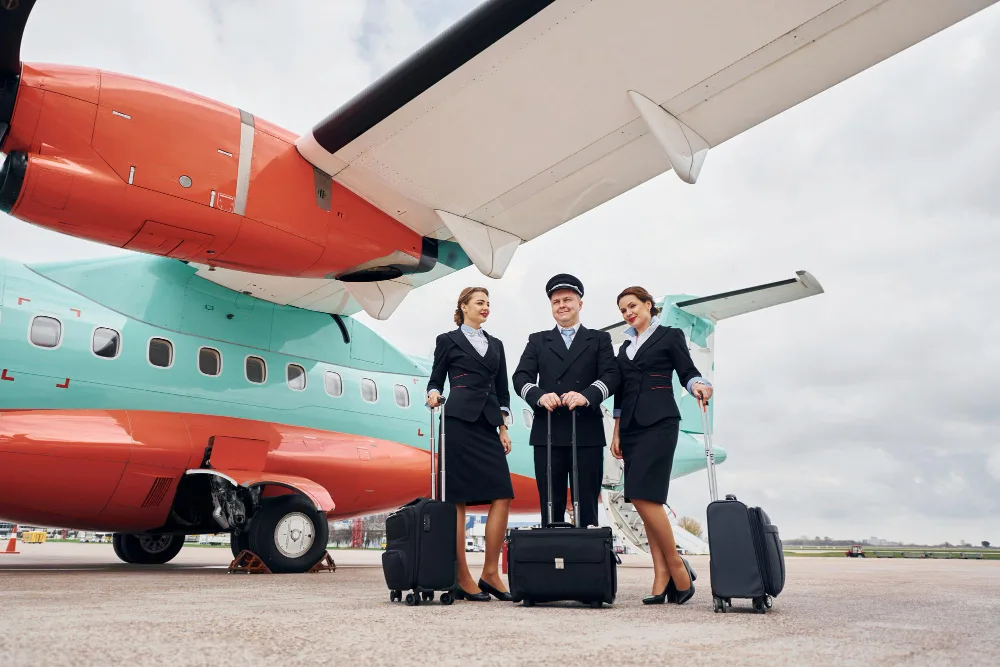
You've seen the crews walking through Lynden Pindling International Airport, uniforms pressed, rolling bags in tow, looking ready to jet off to Miami or London. If you've ever thought, "I could do that," you're not alone. Becoming a flight attendant is a dream job for many Bahamians who want to see the world while earning a paycheck. But unlike a standard office job in Downtown Nassau, you can't just send in a resume and hope for the best.
This career path requires specific certifications, rigorous training, and a lot of patience. Whether you're living in Grand Bahama or right here in New Providence, the process is strict because safety is the priority. We're going to break down exactly what you need to do to earn your wings, from the initial requirements to the final interview.
What Are the Requirements to Be a Flight Attendant?
Before you spend money on training, you need to make sure you fit the basic profile airlines are looking for. While every airline has its own specific needs, the general requirements in the Bahamas are standard across the board.
Age and Education:
You must be at least 18 years old to start training, though some international carriers prefer candidates to be 21. You'll need a high school diploma or equivalent (BGCSEs are key here). Airlines want to see that you can handle classroom learning because the training is academically intense.
Physical Requirements:
This isn't just about looking the part; it's about safety. You generally need to be between 5'2" and 6'2". Why? You need to be tall enough to reach the overhead safety equipment, but not so tall that you're hitting your head in the galley. Your weight has to be proportionally your height, and you must be physically fit enough to open heavy aircraft doors and help passengers during an emergency. Also, visible tattoos are usually a no-go while in uniform.
Language and Citizenship:
You must be fluent in English. If you speak a second language like Spanish or French, that puts you at the top of the pile. You also need a valid Bahamian passport that allows you to travel freely to the U.S. and other countries without visa restrictions that would stop you from working.
How Do I Get Trained for Aviation in Nassau?
You generally have two paths: get hired by an airline that trains you, or attend a private aviation academy to get a leg up. In the Bahamas, attending a dedicated aviation school shows airlines you're serious and already understand the basics of the industry.
While you're looking at flight attendant roles, it’s smart to understand how the whole operation works. Many successful cabin crew members start by understanding the ground operations first. For instance, flight dispatch training offers a deep dive into flight planning and safety, which looks impressive on any aviation resume.
Choosing the Right Program:
When looking for aviation training in Nassau Bahamas, you want a school that is certified. In the Bahamas, that means looking for a facility approved by the Civil Aviation Authority of the Bahamas (CAA-B). Training isn't cheap, but it's an investment. Specialized courses can run anywhere from $1,500 to $3,000, depending on the certification level and duration.
Curriculum Expectations:
Don't expect just to learn how to serve drinks. The training covers:
- Emergency Procedures: Evacuating a plane in 90 seconds or less.
- First Aid: CPR, handling medical emergencies, and using an AED.
- Fire Fighting: Yes, you will learn how to put out fires at 30,000 feet.
- Survival Skills: What to do if the plane goes down in the water (ditching procedures).
Do I need a pilot's license to be a cabin crew member?
No, you don't. This is a common misconception. Flight attendants manage the cabin; pilots manage the cockpit. However, having general aviation knowledge helps.
If you find that you love the technical side of flying during your training, you might decide to switch gears later. Some flight attendants eventually transition into the cockpit after realizing they love the mechanics of flight. There are excellent pilot courses available locally if you ever decide to make that jump. But for now, focus on mastering the cabin safety and service protocols.
How Much Does Flight Attendant Training Cost?
Budgeting is a huge part of this career change. If you get hired directly by a major carrier, they might cover your training, but competition for those spots is fierce. If you choose to get certified through a private institution to boost your resume, you need to prepare your finances.
Tuition and Fees:
Expect to pay between $2,000 and $3,500 for a comprehensive cabin crew or ground school preparation course. For example, some specialized 8-week aviation courses in Nassau cost around $3,000, which includes your materials.
Other Costs:
- Medical Exam: You'll need a Class 2 medical certificate, which can cost $150–$300.
- Uniforms: Some schools require you to wear a uniform during training, costing another $100–$200.
- Transportation: If you live in Carmichael or out east near Elizabeth Estates, factor in the cost of gas or jitney fare to get to classes near Boyd Road or the airport daily.
What is the Application Process Like?
Once you have your training or meet the requirements, it's time to apply. This process is more rigorous than applying for a job at Atlantis or Baha Mar.
The Resume:
Keep it clean and professional. Highlight customer service experience. Did you work the front desk at a hotel? Were you a server at a busy restaurant in Port Lucaya? Airlines want people who can handle difficult people with a smile. Mention any aviation training Nassau Bahamas, you've completed, as this keywords your resume for the recruiters.
The Interview:
This usually happens in stages.
- Initial Screening: A review of your application and photos.
- Assessment Day: You might be invited to a group interview. They watch how you interact with others. Are you a team player? Do you dominate the conversation or help others speak up?
- The Panel Interview: This is a one-on-one (or two-on-one) interview. They will ask situational questions like, "Tell me about a time you dealt with an angry customer."
The Background Check:
Because you're working in a secure environment, you will undergo a strict 10-year background check. You cannot have a criminal record. Minor traffic tickets are usually fine, but anything serious will disqualify you immediately.
What is Daily Life Like for a Flight Attendant?
It's not always glamour and layovers in Paris. It's hard work.
The Schedule:
You miss birthdays, holidays, and weekends. Aviation is a 24/7/365 industry. You might report for duty at 4:00 AM one day and 9:00 PM the next. Seniority rules everything; new hires often get the "reserve" schedule, meaning you sit by the phone waiting to be called in.
The Pay:
Flight attendants are typically paid for "block hours"—the time from when the cabin door closes to when it opens. You usually get a per diem for food when you're away from base. While entry-level pay can be modest, the flight benefits (free or heavily discounted travel) are worth thousands of dollars a year.
The Reality:
You are a safety professional first and a server second. You have to deal with turbulence, medical emergencies, and sometimes rude passengers, all while maintaining your cool. But the view from your "office" window is unbeatable, and breakfast in Nassau followed by dinner in Toronto is a pretty cool way to live.
Start Your Aviation Journey Today
Becoming a flight attendant requires dedication, financial planning, and a genuine love for service and safety. It’s a competitive field, but with the right preparation, you can secure your spot in the sky. Whether you're coming from specialized aviation training Nassau Bahamas or jumping in with customer service experience, the opportunity is there for those who work for it.
If you're ready to take the first step into the aviation industry, don't leave it to chance. Get the foundational training that sets you apart from the hundreds of other applicants.
For more information on class schedules and certification requirements, contact Caribbean Air Academy at (470) 309-4091.