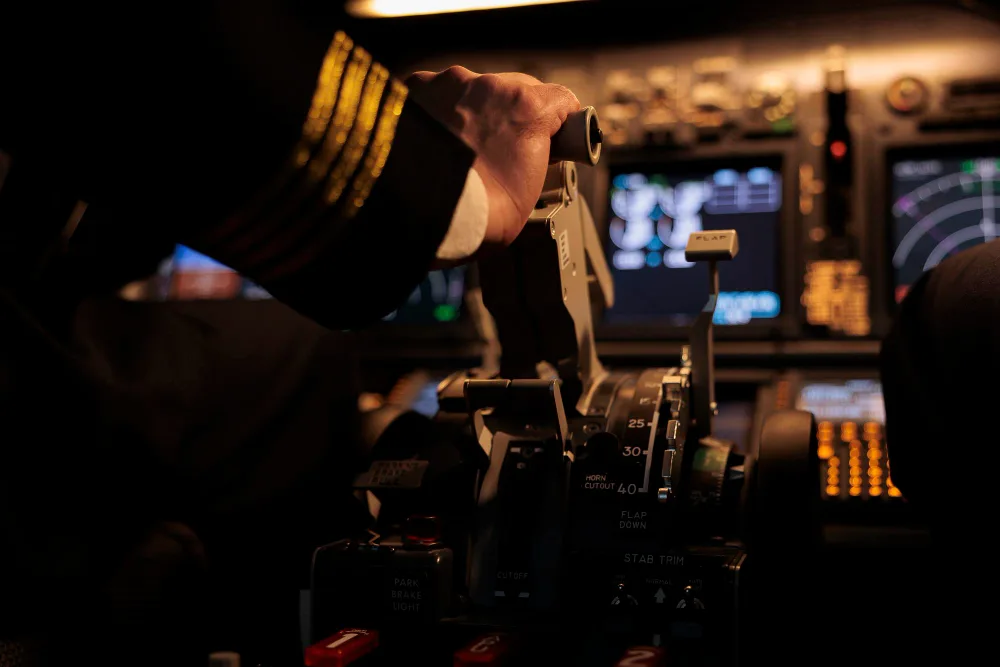
For many pilots, earning a private pilot certificate is just the beginning of a lifelong journey in aviation. Once you have mastered the basics of flight, the allure of bigger, faster, and more complex aircraft often beckons. But how do you bridge the gap between flying a single-engine Cessna and commanding a complex twin-engine aircraft? The answer often lies in becoming a Multi-Engine Instructor (MEI).
This advanced teaching role is not just a badge of honor; it's a critical step in a professional pilot’s career. As an MEI, you gain the ability to teach other pilots how to fly multi-engine aircraft, a skill set that is essential for airlines and corporate aviation. The demand for skilled instructors is higher than ever, especially in aviation hubs like the Bahamas, where island hopping often requires the reliability of two engines.
Whether you're looking to build flight hours rapidly or simply want to deepen your understanding of aerodynamics and aircraft systems, becoming an MEI is a transformative experience. It challenges you to refine your own skills while shaping the next generation of pilots. If you have been considering flight dispatch training or expanding your piloting credentials, understanding the path to becoming an MEI is the perfect place to start.
What is a Multi-Engine Instructor?
A Multi-Engine Instructor (MEI) is a certificated flight instructor who is qualified to teach students in multi-engine aircraft. Unlike a standard Certified Flight Instructor (CFI) rating, which typically allows you to teach in single-engine planes, an MEI rating demonstrates a higher level of proficiency. You are not just teaching someone how to fly; you're teaching them how to manage asymmetric thrust, handle engine failures, and operate complex systems.
To become an MEI, you must already hold a Commercial Pilot Certificate and an Instrument Rating. You also need a substantial amount of logged flight time as pilot-in-command (PIC). The training focuses heavily on safety and emergency procedures, ensuring you can react instantly if an engine quits during a critical phase of flight, like takeoff or landing.
The difference between single-engine and multi-engine instruction is vast. In a single-engine plane, an engine failure usually means finding a field to land in. In a multi-engine aircraft, an engine failure means managing the remaining engine to safely continue flight or return to the airport. This added layer of complexity is what makes the MEI rating so respected and valuable.
Why Become a Multi-Engine Instructor?
Career Advancement and Job Satisfaction
Becoming an MEI opens doors that remain closed to single-engine instructors. Many flight schools, including those offering a top-tier flight school in Bahamas, prioritize hiring instructors who can teach in all their aircraft. This versatility makes you a more attractive candidate for employment and can lead to higher pay rates. Furthermore, the satisfaction of helping a student master a complex machine is unmatched.
Building Flight Hours
For aspiring airline pilots, building multi-engine time is crucial. Airlines often require a specific minimum of multi-engine hours before they will even look at your resume. As an MEI, you log every hour you teach. Instead of paying hundreds of dollars an hour to rent a twin-engine plane to build time, you're getting paid to fly it. It is one of the most cost-effective ways to reach the milestones needed for an Airline Transport Pilot (ATP) certificate.
Sharing Knowledge
There is a unique camaraderie in the aviation community. By becoming an instructor, you pass on the wisdom you have gained to eager students. In places like Nassau, where aviation is a lifeline connecting islands, your role contributes directly to the safety and efficiency of local transport.
Responsibilities of a Multi-Engine Instructor
Conducting Flight and Ground Training
Your primary duty is teaching. This involves rigorous ground school sessions where you explain aircraft systems, aerodynamics, and performance calculations. In the air, you demonstrate maneuvers and supervise your student's performance. You are responsible for ensuring they meet the high standards required to pass their check ride.
Safety and Risk Management
Safety is paramount in multi-engine flying. A significant portion of your job is teaching risk management. You must teach students to recognize hazards before they become emergencies. For example, practicing engine-out procedures requires strict adherence to safety minimums to prevent a simulated emergency from becoming a real one.
Preparing Students for Operations
You are training pilots to operate high-performance machines. This means preparing them for the mental workload of flying faster aircraft. You will teach them how to handle complex avionics, manage fuel systems, and make quick decisions in dynamic environments.
How to Become a Multi-Engine Instructor
Steps to Certification
The journey begins with finding a reputable flight school. You will need to hold a Commercial Pilot License (CPL) with a multi-engine rating before you can start MEI training. The training generally involves 10 to 15 hours of flight time and extensive ground instruction.
Flight Training and Ground School
During flight training, you will practice teaching maneuvers from the right seat (the instructor's seat). You will learn to analyze student errors and correct them verbally and physically if necessary. Ground school will cover the "Fundamentals of Instruction" (FOI), which explores how people learn and how to communicate effectively.
The Check Ride
The culmination of your training is the practical test, or check ride, with a designated pilot examiner. This includes an oral exam where you must demonstrate your instructional knowledge and a flight test where you teach the examiner various maneuvers. It is a rigorous test of your ability to be a pilot and an educator simultaneously.
Tips for Effective Multi-Engine Instruction
Enhance Teaching Skills
Great pilots don't always make great teachers. To be effective, you must be patient and adaptable. Use analogies that relate to everyday life. For instance, explaining asymmetric thrust is often easier when comparing it to a rowboat with one oar.
Effective Communication
Clear communication is vital in the cockpit. Ensure your students understand exactly what is expected of them before you even start the engine. Use standard phraseology and encourage students to ask questions if they are unsure.
Adapt to Learning Styles
Every student learns differently. Some are visual learners who need diagrams, while others learn by doing. A good instructor identifies a student's learning style early on and tailors their teaching method to match. This personalized approach helps students grasp complex concepts faster and retain them longer.
The Future of Multi-Engine Instruction
The landscape of aviation training is evolving rapidly. Modern flight schools are integrating advanced technology into their curricula. Simulators are becoming incredibly realistic, allowing students to practice engine failures in a safe environment before trying them in the air.
Looking ahead, the role of the MEI will continue to be vital. As long as there are multi-engine aircraft, there will be a need for skilled instructors to teach pilots how to fly them safely. Continuous learning is essential; staying updated on new regulations and technologies ensures you remain a top-tier instructor. Whether you're browsing pilot courses or already teaching, the learning never stops.
Take the Next Step in Your Aviation Career
Becoming a Multi-Engine Instructor is a challenging yet rewarding endeavor. It enhances your piloting skills, accelerates your career, and allows you to mentor the next generation of aviators. From building essential flight hours to mastering complex aircraft systems, the benefits are tangible and long-lasting.
If you're ready to elevate your career and explore training options, now is the time to act. Whether you're located near the bustling flight paths of Boyd Road or closer to the serene waters near Mother Gibson Plaza, world-class training is within reach.
Contact Caribbean Air Academy today at (470) 309-4091 to learn more about our dispatch and pilot training programs.