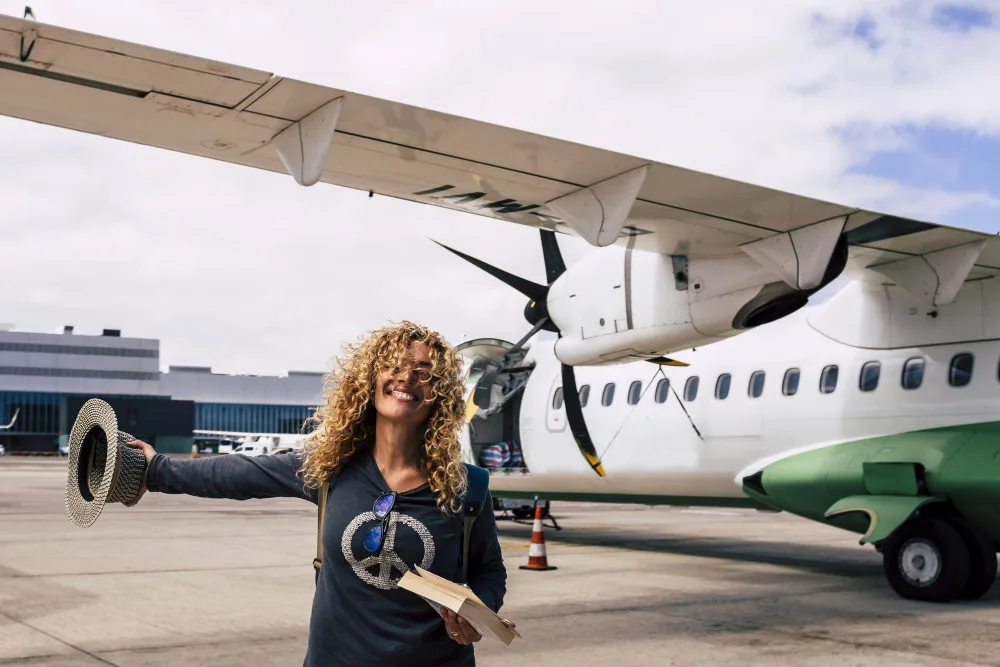
Imagine skipping the long security lines at the main terminal, walking straight onto the tarmac, and settling into a leather seat with a glass of champagne before you even take off. For many, flying privately to the Bahamas is the ultimate travel dream. It transforms a chaotic travel day into a relaxing part of your vacation.
However, the logistics behind these seamless journeys are complex. It takes a coordinated effort to get a jet from point A to point B, a process that is meticulously managed by professionals with specialized flight dispatch training. But for the traveler, the biggest question is usually about the bottom line. Is a private charter strictly for billionaires, or is it more accessible than you think?
While it is certainly an investment, understanding the breakdown of costs can help you decide if the convenience and luxury are right for your next island getaway.
What factors actually influence the charter price?
The price of a private flight depends heavily on the aircraft size, the distance you're flying, and the current market demand.
Think of chartering a jet like renting a home for a vacation. A one-bedroom condo costs significantly less than a sprawling beachfront villa, and renting during peak season will always command a premium.
Aircraft Type and Size
This is the biggest variable in your quote. Larger planes burn more fuel, require larger crews, and have higher operational costs.
- Turboprops: These are the most economical option for short hops, like flying from Florida to Nassau. They are slower than jets but highly efficient.
- Light Jets: These offer a balance of speed and cost, perfect for small groups or families.
- Heavy Jets: Designed for long-range travel with large groups, these come with the highest price tag but offer maximum luxury.
Any reputable flight school in Bahamas teaches its students that choosing the right aircraft for the mission is critical for safety and cost-efficiency. You wouldn't take a heavy jet for a 30-minute hop unless you had a very large group or specific cargo needs.
Seasonal Demand
Are you planning to fly during the holidays or Spring Break? Just like commercial airlines, private charter operators raise prices when demand spikes. Availability becomes scarce, and you might have to pay for "repositioning"—paying to bring an empty jet to your location so it can pick you up.
How much can you expect to pay by aircraft type?
While prices fluctuate, you can generally expect to pay between $4,500 and $8,000 per flight hour for a light-to-mid-size jet.
Here is a realistic look at the costs for a one-way trip from the Miami/Fort Lauderdale area to Nassau:
Light Jets
For a group of 6-7 passengers, a light jet is often the sweet spot.
- Estimated Cost: $5,000 – $8,000 one way.
- Why it matters: If you split this cost among 6 passengers, you're looking at roughly $1,000 per person. When you compare that to last-minute first-class commercial tickets, the gap narrows significantly, especially considering the time you save.
Mid-Size Jets
If you need more luggage space or have a slightly larger group (up to 9 people), a mid-size jet offers more headroom and range.
- Estimated Cost: $8,000 – $12,000 one way.
- Why it matters: Mid-size jets often have stand-up cabins, making the journey much more comfortable for taller passengers or those who want to move around.
Heavy Jets
For large groups of 10-16 people or VIPs requiring flight attendants and full galleys.
- Estimated Cost: $15,000+ one way.
- Why it matters: This is the pinnacle of luxury. According to data from SherpaReport, heavy jets can cost upwards of $10,000 per billable hour, but they provide an experience that is unmatched in terms of service and amenities.
Are there extra fees you should know about?
Yes, the base charter price is rarely the final number on the invoice.
When you're booking, you need to look for the "all-in" price. Hidden fees can add up quickly if you'ren't paying attention. Aspiring aviators in our pilot courses learn specifically about these operational details, as they affect flight planning and customer satisfaction.
Landing and Handling Fees
Every time a private plane touches down, the airport charges a fee. In the Bahamas, these fees vary depending on the airport size. Landing at a major hub like Lynden Pindling International in Nassau will generally cost more than landing at a smaller "Family Island" strip.
Taxes
You will typically see a 7.5% Federal Excise Tax (FET) on domestic legs of flights, and specific international segment fees for flights going to the Bahamas. There are also Bahamian departure taxes to consider for the return leg.
Ground Transportation
Do you need a limo waiting on the tarmac? Most private terminals (FBOs) can arrange this, but it is an added line item. If you're heading to a meeting near Mother Gibson Plaza or a resort down the road, having a car waiting saves you from hailing a taxi.
Why is flying private worth the investment?
Flying private buys you the one thing you can't get back: time.
Time Savings
Commercial travel involves arriving 2-3 hours early, waiting in security lines, and dealing with potential delays. When you fly private, you arrive 15 minutes before departure. You could leave South Florida at 9:00 AM and be on the beach in Nassau by 10:30 AM.
Privacy and Comfort
For high-profile residents or business leaders, privacy is non-negotiable. On a private jet, you can hold confidential meetings or simply relax without the prying eyes of strangers.
Access to More Airports
Commercial airlines fly into major hubs. Private jets can land at smaller airports closer to your final destination. This is a concept often discussed at a flight school in Bahamas, where students learn how different aircraft capabilities open up access to remote islands that commercial giants can't reach.
How does this relate to aviation careers?
Understanding the economics of private aviation isn't just for passengers; it's a vital skill for aviation professionals.
Whether you're a pilot, a dispatcher, or an operations manager, knowing how these costs interact ensures the industry runs smoothly. For example, a dispatcher needs to know that routing a flight to avoid bad weather might increase fuel burn, which impacts the client's bill. A pilot needs to understand how handling fees differ between airports to make smart operational decisions.
If you live near Boyd Road or anywhere in the Nassau area, you're right in the heart of a bustling aviation hub. The industry here is vibrant, offering incredible career paths for those who are interested in the science and business of flight.
Ready to chart your own course?
Flying privately to the Bahamas offers a level of freedom that commercial travel simply can't match. While the costs are higher, the value in terms of time, privacy, and convenience is often worth the expense for those who can afford it.
Whether you're looking to charter a flight or are interested in the fascinating world behind the scenes, there is a place for you in aviation.
If you're ready to explore training opportunities or have questions about the industry, we are here to help. Contact Caribbean Air Academy at (470) 309-4091 to learn more about our programs.